Gas brazing and induction brazing – method, application, and differences
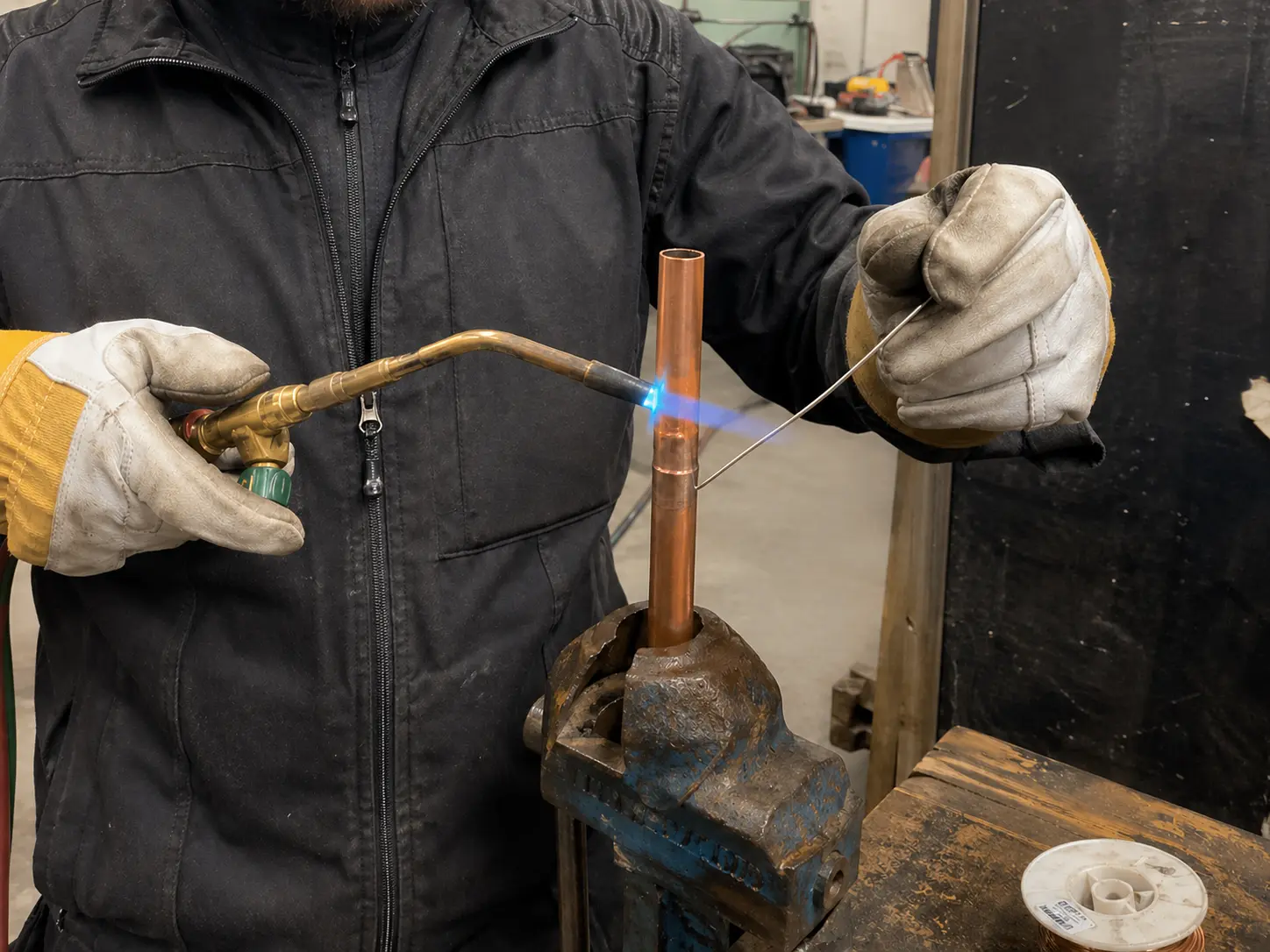
Gas brazing is an established method for joining metals where heat from a gas flame is used to melt a filler metal. The method is used in, among other areas,

Do you have questions about our products or how we can help you with induction straightening?Do you have questions about our products or how we can help you with induction straightening?
Induction straightening is a flexible straightening solution that can be used for applications such as deck straightening, bridge straightening, as well as the production and repair of locomotives, rolling stock vehicles and heavy-duty transport equipment.
Induction straightening is a heating solution with many advantages. During induction straightening, a coil is used to generate concentrated heat in predefined heating zones. As these zones cool, they contract and shape the metal in the desired way.
Induction straightening is an extremely fast solution that can save a significant amount of time compared with traditional methods. Without induction, straightening a large vessel can easily require tens of thousands of working hours. The precision of induction heating also increases productivity. For example, when straightening truck chassis, heat-sensitive components do not need to be removed. Induction straightening also affects surrounding material to a lesser extent than conventional straightening methods.
In the construction industry, induction straightening is used, among other applications, to straighten and shape beams. It is also increasingly used in the manufacture and repair of locomotives and rolling stock vehicles.

Gas brazing is an established method for joining metals where heat from a gas flame is used to melt a filler metal. The method is used in, among other areas,

Metal hardening is a heat treatment process used to alter the properties of the material in order to increase hardness, wear resistance, and resistance to mechanical impact.

Hardening of steel is a metallurgical process in which the internal structure of the material is altered to increase hardness and wear resistance. The process is used when components must withstand high