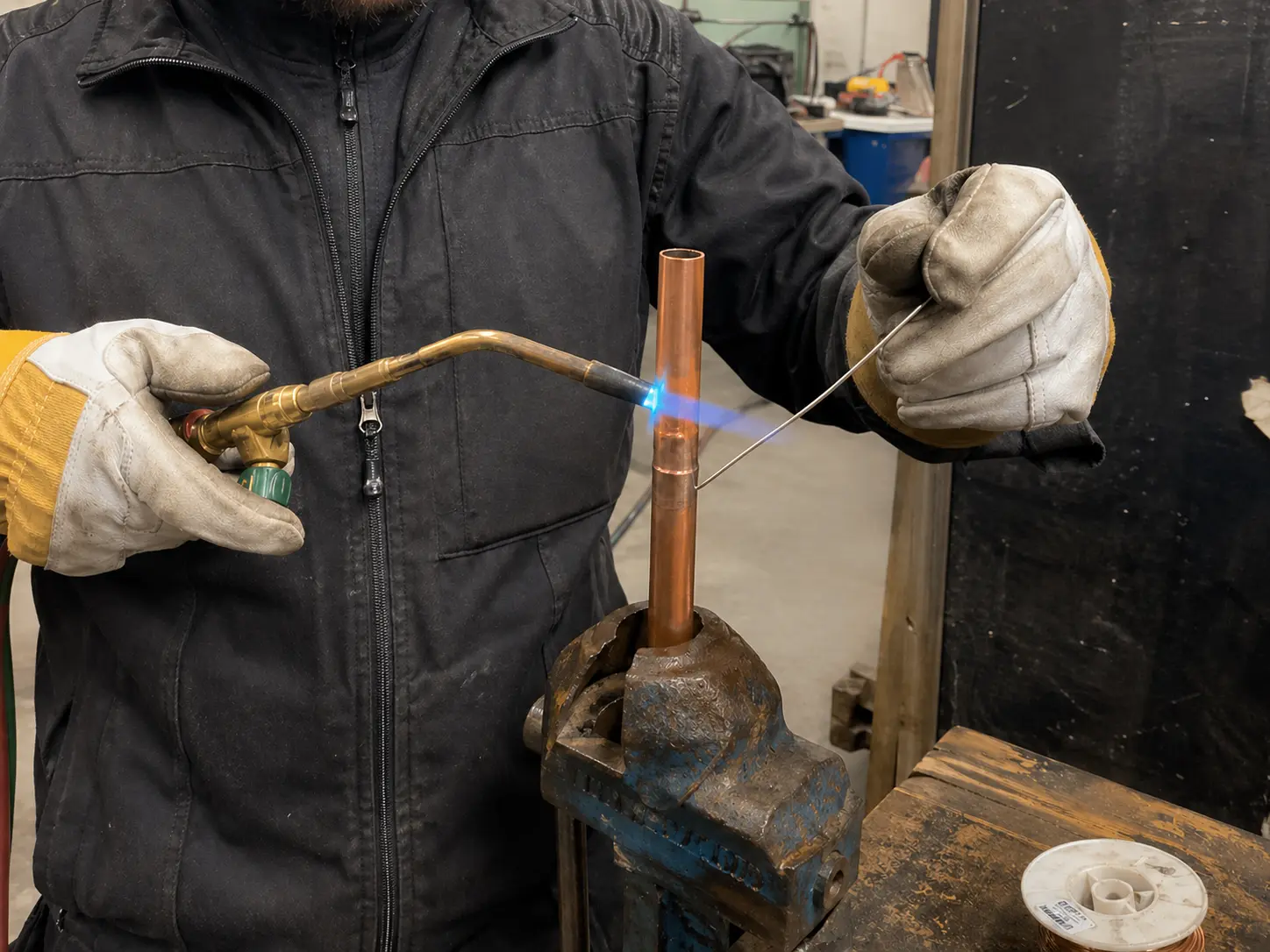
Gas brazing and induction brazing – method, application, and differences
Gas brazing is an established method for joining metals where heat from a gas flame is used to melt a filler metal. The method is used in, among other areas,

Induction heaters are used for fast, controlled and energy-efficient heating of metallic components. Through electromagnetic induction, heat is generated directly in the workpiece instead of being transferred by convection or radiation. The result is shorter cycle times, high temperature precision and improved process efficiency.
Incoil develops and supplies industrial induction heaters and complete induction systems adapted to the application, material and production requirements.
Enter the basic information and we will get back to you with a recommended power class and setup.
When energy is converted directly in the material instead of in the surrounding air or a furnace chamber, you achieve faster ramp-up, greater precision and a more manageable process window.
Sekunder: Uppvärmning kan ske på sekunder istället för minuter.
±5–10°C: Möjlig temperaturprecision vid korrekt styrning.
10-100 kVA: Vanligt effektintervall i industriella applikationer.
An induction heater is an electrical heating system that uses an alternating magnetic field to induce electrical currents in a conductive material. These currents generate heat through the material's electrical resistance. In ferromagnetic materials, magnetic hysteresis also contributes to heat generation.
Unlike conventional heating methods such as gas, furnaces or open flames, heating takes place:
When alternating current flows through an induction coil, it creates a magnetic field that varies with the frequency and amplitude of the current. According to Faraday's law of induction, electrical currents are induced in a metallic workpiece located within the field.
Industrial induction heaters are normally sized within the range of 10–100 kVA, depending on the application. Temperatures can range from 100–200°C for shrink fitting to above 1,200°C for forging or induction brazing.
The generator converts mains electricity into high-frequency alternating current. Power output (kVA) and frequency are key parameters determining how quickly and how deeply the heat penetrates the material.
The geometry of the coil is crucial to field concentration and energy efficiency. A customised coil design ensures even heating and minimises power losses.
The alternating magnetic field is the mechanism that transfers energy. Its strength and distribution are affected by coil design and current level.
The electrical resistivity and magnetic permeability of the material determine how efficiently the induced currents are converted into heat.
The skin effect causes the currents to concentrate near the surface of the material. Penetration depth decreases as frequency increases. This is crucial in applications such as induction hardening, where only the surface should be affected, as well as in induction brazing and precision preheating.
Because the heat is generated directly in the material, heating can take place in seconds. With correct sizing and control, temperature precision of approximately ±5–10°C can be achieved.
A mobile induction heater is particularly useful when heating needs to take place close to the component, for example during assembly, repair, maintenance shutdowns or field work. Instead of moving large components to a fixed heating station, the equipment can be brought directly to the work area.
Mobile induction heaters are often used for:
Heating takes place very quickly, saving time and reducing production downtime.
Because the method eliminates the need for an open flame, the risk of fire is reduced.
The technology is designed to use energy in an optimised way.
Power requirement (kVA)
Determined by the material mass, specific heat capacity, required temperature increase and acceptable heating time.
Production volume
Volume and cycle time determine cooling requirements, operational reliability and the appropriate level of automation.
Material type
Resistivity and magnetic properties affect how efficiently energy is transferred and which frequency is most suitable.
Cycle time & process window
A fast cycle requires higher power. A longer cycle may be acceptable in low-volume production but affects capacity and cost per unit.
Integration requirements
PLC/robot integration, interlocks and temperature feedback. The level of integration affects repeatability, quality and traceability.
Avoid incorrect sizing
Oversizing results in unnecessary investment and operating costs. Undersizing results in longer cycle times and an unstable process.
For recurring industrial processes, purchasing is often the best solution, particularly when the induction heater will be integrated into production, used frequently or customised for a specific component. For temporary requirements, renting may be more efficient.
Renting may be the right choice for:
Incoil helps you assess whether purchasing, renting or a customised solution is most suitable based on the application, component, temperature requirements and frequency of use.
Induction heaters are not merely a heating method but a central part of an optimised production process. By combining the right power, frequency and coil design, heating can be adapted precisely to the requirements of the application. Incoil specialises in industrial induction technology and develops systems designed for real production environments.

Gas brazing is an established method for joining metals where heat from a gas flame is used to melt a filler metal. The method is used in, among other areas,

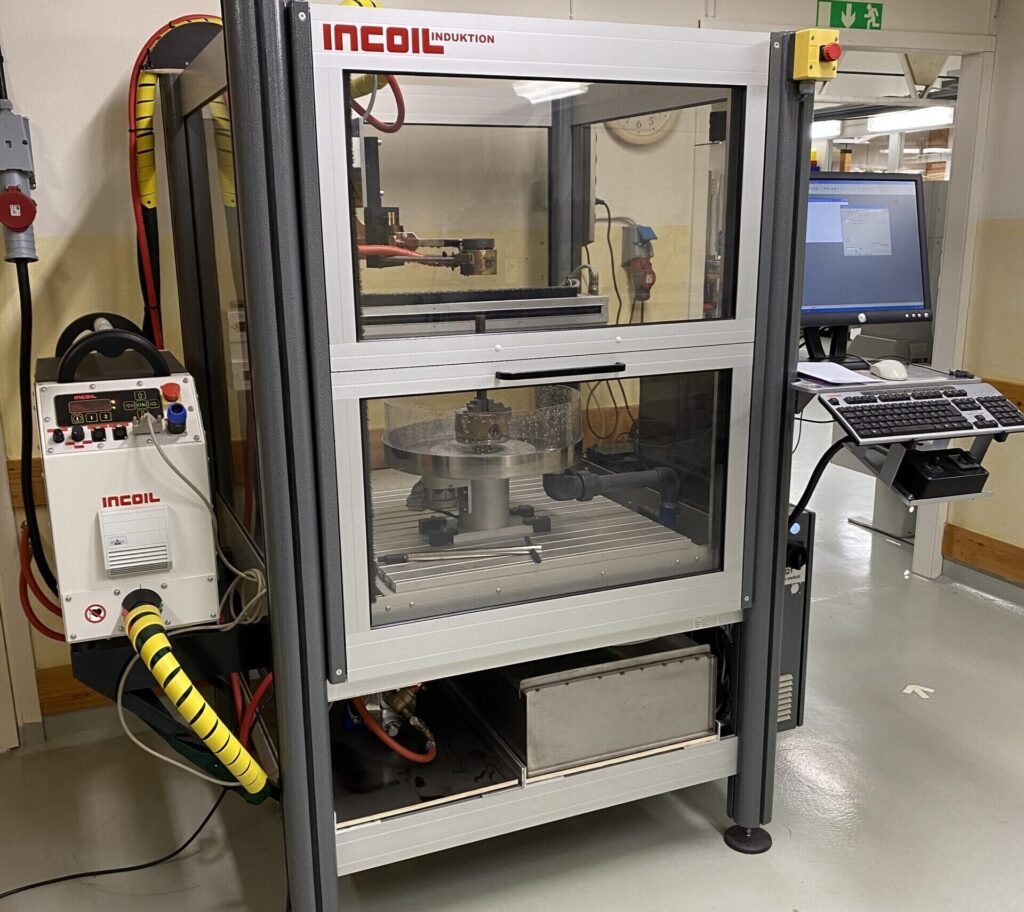
Metal hardening is a heat treatment process used to alter the properties of the material in order to increase hardness, wear resistance, and resistance to mechanical impact.

Hardening of steel is a metallurgical process in which the internal structure of the material is altered to increase hardness and wear resistance. The process is used when components must withstand high